
 Recorded: 30, 31 May 1968
4, 5, 6, 10, 11, 20, 21, 26, 27, 28 June 1968
1, 2, 3, 4, 5, 8, 9, 11, 12, 15, 16, 18, 19, 22, 23, 24, 25 July 1968
9, 13, 14, 15, 16, 20, 21, 22, 23, 28, 29, 30 August 1968
3, 5, 6, 9, 10, 11, 12, 13, 16, 17, 18, 19, 20, 23, 24, 25 September 1968
1, 2, 3, 4, 5, 7, 8, 9, 10, 11, 13, 14 October 1968
Producers: George Martin, Chris Thomas, John Lennon, Paul McCartney
Engineers: Geoff Emerick, Peter Bown, Ken Scott, Barry Sheffield, Ken Townsend
Released: 22 November 1968 (UK), 25 November 1968 (US)
Personnel
John Lennon: vocals, electric guitar, acoustic guitar, bass guitar, piano, organ, Hammond organ, harmonium, harmonica, tenor saxophone, drums, timpani, percussion, tape loops, effects, samples, handclaps
Paul McCartney: vocals, bass guitar, six-string bass guitar, piano, electric guitar, acoustic guitar, organ, Hammond organ, electric piano, flügelhorn, recorder, drums, tambourine, bongos, percussion, handclaps
George Harrison: vocals, electric guitar, acoustic guitar, bass guitar, Hammond organ, drums, percussion, samples, handclaps
Ringo Starr: vocals, drums, tambourine, bongos, castanets, sleigh bell, maracas, percussion, effects, handclaps
George Martin: piano, celesta, harmonium
Eric Clapton: lead guitar
Chris Thomas: piano, Mellotron, harpsichord, organ, electric piano
Yoko Ono: vocals, effects, samples, handclaps
Mal Evans: backing vocals, trumpet, handclaps
Pattie Harrison, Jackie Lomax, John McCartney: backing vocals, handclaps
Maureen Starkey, Francie Schwartz, Ingrid Thomas, Pat Whitmore, Val Stockwell, Irene King, Ross Gilmour, Mike Redway, Ken Barrie, Fred Lucas, various others: backing vocals
Jack Fallon, Henry Datyner, Eric Bowie, Norman Lederman, Ronald Thomas, Bernard Miller, Dennis McConnell, Lou Sofier, Les Maddox: violin
John Underwood, Keith Cummings, Leo Birnbaum, Henry Myerscough: viola
Eldon Fox, Reginald Kilbey, Frederick Alexander: cello
Leon Calvert, Stanley Reynolds, Ronnie Hughes, Derek Watkins, Freddy Clayton: trumpet
Leon Calvert: flügelhorn
Tony Tunstall: French horn
Ted Barker, Don Lang, Rex Morris, J Power, Bill Povey: trombone
Alf Reece: tuba
Dennis Walton, Ronald Chamberlain, Jim Chester, Rex Morris, Harry Klein: saxophone
Art Ellefson, Danny Moss, Derek Collins: tenor saxophone
Ronnie Ross, Harry Klein, Bernard George: baritone saxophone
Raymond Newman, David Smith: clarinet
Uncredited: 12 violins, three violas, three cellos, three flutes, clarinet, three saxophones, two trumpets, two trombones, horn, vibraphone, double bass, harp
Tracklisting
‘Dear Prudence’
‘Glass Onion’
‘Ob-La-Di, Ob-La-Da’
‘Wild Honey Pie’
‘The Continuing Story Of Bungalow Bill’
‘While My Guitar Gently Weeps’
‘Happiness Is A Warm Gun’
‘Martha My Dear’
‘I’m So Tired’
‘Blackbird’
‘Piggies’
‘Rocky Raccoon’
‘Don’t Pass Me By’
‘Why Don’t We Do It In The Road?’
‘I Will’
‘Julia’
The Beatles’ ninth original UK album, and their 15th in the United States, was their first double-length release. Commonly known as the White Album, the self-titled collection of 30 songs stands as a majestic cornucopia of styles, born from one of the group’s most creative periods.
The background
Although financially secure, critically and commercially acclaimed, and assured as figureheads of popular music, by the summer of 1968 The Beatles were in a degree of turmoil. The previous year they’d achieved possibly their crowning glory in Sgt Pepper’s Lonely Hearts Club Band, and suffered their first major artistic failure in the Magical Mystery Tour television film.
By 1968 The Beatles’ world had changed immeasurably from their early days. Having stopped touring in 1966, they were set free to explore the possibilities from inside the studio, and began enjoying the time that their fortunes allowed. Their musical output may have slowed from the mid-1960s, but their creativity was as strong as ever.
After Sgt Pepper changed the world, the world keenly awaited The Beatles’ next step. They had released just the six-track Magical Mystery Tour EP and the ‘Lady Madonna’ single since then, and there was widespread speculation in the press that they were a spent force.
While recording the album, the group was in the process of launching the multimedia business Apple Corps, while coping with various upheavals including drug busts, changing relationships and substance abuse.
The Beatles were old hands at dealing with such pressure. They turned away from the elaborate excesses of Sgt Pepper, recording instead a simple collection of 30 songs under an even simpler name: The Beatles.
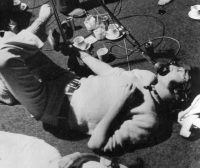
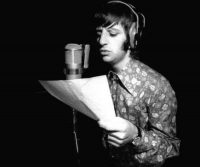
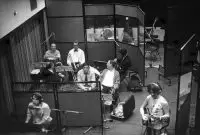
George Martin later claimed he had wanted the group to omit the album’s weaker songs and focused instead on producing a solid single-disc release.
I thought we should probably have made a very, very good single album rather than a double. But they insisted. I think it could have been made fantastically good if it had been compressed a bit and condensed. A lot of people I know think it’s still the best album they made. I later learnt that by recording all those songs they were getting rid of their contract with EMI more quickly.
Anthology
Ringo Starr agreed with the sentiment.
There was a lot of information on the double album, but I agree that we should have put it out as two separate albums: the ‘White’ and the ‘Whiter’ albums.
Anthology
Despite its faults as a collection, Paul McCartney stood by the album, saying that the wide variety of songs was a major part of its appeal.
I think it was a very good album. It stood up, but it wasn’t a pleasant one to make. Then again, sometimes those things work for your art. The fact that it’s got so much on it is one of the things that’s cool about it. The songs are very varied. I think it’s a fine album.I don’t remember the reaction. Now I release records and I watch to see who likes it and how it does. But with The Beatles, I can’t ever remember scouring the charts to see what number it had come in at. I assume we hoped that people would like it. We just put it out and got on with life. A lot of our friends liked it and that was mainly what we were concerned with. If your mates liked it, the boutiques played it and it was played wherever you went – that was a sign of success for us.
Anthology
One day until: Thanksgiving 2018, 50th anniversary of The White Album, and 55 years since John Fitzgerald Kennedy was gunned down in the streets of Dallas, Texas, USA. It’s also 55 years to the day since the Beatles’ second album (actually their first properly produced album), With the Beatles, came out. That was just a coincidence, those last two happening 11/22/63.
TWA coming out 11/22/68 is NOT a coincidence. TWA is all about the assassinations of the Sixties and the general murderousness of Amerika.
From the first song “Back in the USSR” (you don’t know how lucky you arrrr, boy): “Flew in from Miami Beach, BOAC/ Didddn’t get to bed last night.” What a coincidence; JFK flew in to Texas (Houston first) from Miami Beach. But the hero of our song is much luckier than our last real President, for HE is back in the USSR, not the US of A. You know, the USA that squandered trillions of dollars of blood, sweat, and tears for absolutely nothing, The Cold War, the non-existent boogyman who had all the Bungalow Bill gun-fetishizers shaking in their knickers. And the morbid irony is that that boogyman USSR was much safer for the goodly creatures, let alone the First Citizen. And they had health care for all their people although most of their land was in the tundra, not the luxuriant temperate and sub-tropical zones. THEY had it hard and WE had it easy, yet they didn’t find it necessary to be Gun-Happy, dumb as dirt, Rocky Raccoon-type Piggies.
Then, if that didn’t break your heart enough, there’s Prudence, that achingly beautiful AMERICAN girl in a wonderfully beautiful world, but she won’t come out and play and take advantage of miraculous nature. Why? Medgar Evers, JFK, MLK, RFK, and about two million Southeast Asians came out to play and look what happened to them. It ain’t safe around those not-see Americans. And just the fear, loathing, and hatefulness in the air is enough to make you want to stay inside.
And on and on. It’s all too much.
When the Beatles hit the States early 1964, it was like flipping a light switch after what was happening around Tgiving 1963. I was there, Western Mass., in Mrs. (Rose) Fitzgerald’s fourth grade class. Scant weeks and months after JFKA, the Fabs hit like lightning. And late 1968 when TWA came out, the record stores couldn’t keep it in stock. The kids STUDIED that album. Even if we didn’t consciously see all the clues in this magna opera, we got the right idea. It was the beginning of the end of the Vietnam War. The Boom Generation (actually the Beast of Burden Generation) had the number of the so-called Greatest and Silent Generations. Actually the Greediest and Sneering/Smirking Generations.
Oooookkkkaaayyyy……………
Yes, that’s quite an essay you wrote, Roy.
I laughed. I cried. I felt.
charles manson had extravagant theories about the white album, too.
just saying.
If you’re writing about the White Album being about ’60s turmoil and not mentioning “Helter Skelter” then you’re missing the boat big-time.
All the Children Sing…..
Blogs and responses
060122
Why they broke up.I love the Beatles and now really know why they broke up from simpler and more obvious reasons once you see them.
Roy, I appreciate many elements in your comments, however, I strongly disagree with your conclusions. I have learned much from my four fabs, their gifts and their tragedies.
As a kid I loved and lived with this wonderful band filled with worshipful love songs birthed from lots of hard work and Incredibly simple creativity. I listened to them for hours with my friends and at school on the PA system. I always wanted to really know why they broke up and now I finally do. Not for your reasons Roy, but for these much simpler ones that explain it all. Beloved band leader and vocalist John Lennon’s Heroin Use? What you sow you reap – a drug induced deception of feeling totalitarian invincibility with success at the top. Add Eastern religion, Epstein’s drug death, Yoko Ono’s non-creative codependence, all with no real long term exits, destroyed The Beatles. They were shot out of the air by themselves. Let’s not do that again? It’s sad and it hurts to see what was so Great and God Gifted, unnecessarily devolve into unrescued pain and madness.
Life is God’s gift to us! What we do with it is our Gift back to Him…..P.S…. as John Lennon found out, Happiness is NOT a warm gun! It’s a living, ongoing, partnership with Our Loving God, which birthed our wonderful Nation, now needing that same help from us! (John 3:16, 17:23, 1 John 4:17) Both Johns, from their vantage point today, I believe, would sincerely agree and urge us to use our gifts in partnership with God for so great a need!
It’s s this Life that bitrhs life and gives True Life, here and There!
Well, thanks for that Roy.
Next item on this evening’s agenda, it’s the Goon Show…
Despite the flaws and a few obvious clunkers, this is still the best display of the Beatles’ abilities and talents.
Rock, vaudeville, ballads……..it’s all there. Will always remain my favorite album by anyone.
That is fascinating, that it was originally going to be called “A Doll’s House.”
I still haven’t listened to the whole album from beginning to end; I’ve never owned it. I feel I can listen to it now with more understanding of the chaotic and angry and confused state they were in. And that the whole world, including my parents, were in at the time!
THE WHITE ALBUM, recorded over 50 years ago, still sounds amazing and relevant on every level. The sheer diversity never fails to impress- it’s got traditional 1930’s style jazz, delicate, impressionistic acoustic folk, searing, abrasive electric rock, frightening experimental collage, thumping country and western, surrealism, semi-classical baroque-influenced satire, hard blues, sentimental Hollywood orchestral-type schmaltz/lullabye, comedy, west-indian style calypso/reggae, some shuffle-boogie and a few songs which defy categorising- what other album offers such an entertaining range ?
In another 50 years people will still be listening (and learning) from it. It transcends its own time and is for the ages.
We should all be very very grateful for this band and this album- not to mention their other work….
It seems like most fans break down into one of two camps on this album. There is the George Martin view that it could have been edited down to a great single record. Then there is the other side which sees the sheer volume and variety of the material, warts and all, as one of its great charms. Paul summed this idea up best when he said in the Anthology, “Leave it alone. Its the White Album.” While I tend to side with Martin on this one, I have to admit that I have a very hard time when I try to imagine what songs would actually have made it onto that single disc. When I try to whittle this collection down in my head from the original 30 songs, I always get stuck at about the 20 – 21 song mark. This would have been at least 3 -5 songs too many for a single record at that time. But I thought I’d give it a try here anyway just for fun.
In this reimagining of the album as a single disc, I based my choices largely on my own personal preferences. But not entirely. There are some pretty clear indicators as to what the song allotment would have been and which songs would definitely have made the cut. During the second half of the band’s existence, Paul tended to have a bit more input into their albums than John. Starting with Help!, George had averaged one song per side on each record. Ringo had been given one vocal on every album except A Hard Day’s Night. Based on this, I believe that the allotment would have been 8 or 7 songs for Paul, 7 or 6 for John, 2 for George and 1 for Ringo. The exact numbers would have depended on the songs chosen and their running time. Their longest running single disc album was Abbey Road at 47 minutes so I used that as a guideline for the total album length. I also tried to take into account some of what we know about how important individual songs were to the various members of the group. Since Paul ran the band through dozens of takes of Ob-La-Di Ob-La-Da and I Will, its hard to imagine the album going forward without them. Likewise, George made quite a statement by bringing Eric Clapton in for While My Guitar Gently Weeps and he wasn’t going to walk away from that. Its also not hard to imagine that Ringo would have preferred to sing a composition of his own rather than croon yet another Lennon/McCartney number. Ironically, the piece that John appears to have felt the most strongly about would likely have ended up on the cutting room floor. The other 3 all hated Revolution #9 but that alone would not have been reason enough to keep it off the album given the dynamics of the group at this point. Instead, it would have been more a matter of time. It was simply too long to fit into the single disc format. If it were included at all, it would likely have had to be cut by more than half. This would greatly have reduced the impact John was looking for with his audio montage and at that point I think he would have decided to pull it. Most likely, it would have ended up as part of one of his solo projects with Yoko.
I’ve tried as best I can to arrange the songs in a way as to honor the original flow of the album. The biggest challenge was to find a suitable replacement ending for the original Revolution #9/Good Night combo. I decided upon Helter Skelter. McCartney has said that he was trying with that song to create “musical chaos” as a reflection of what was going on around them at the time. Lennon used much the same language to describe #9. The Beatles usually ended their albums with either something a bit different or a powerhouse rocker. (Sometimes doing both simultaneously as with Tomorrow Never Knows). This certainly checks both those boxes. With its fade in/ “I’ve got blisters on my fingers!” conclusion it also puts a quirky exclamation point on the whole album in much the same way as the gibberish at the end of Pepper or Her Majesty at end of Abbey Road do for those albums. With these considerations in mind, here we go. :
Side 1:
Back in the USSR
Dear Prudence
Blackbird
Glass Onion
Ob-La-Di Ob-La-Da
While My Guitar Gently Weeps
I Will
Happiness Is a Warm Gun
Side 2:
Martha My Dear
I’m So Tired
Don’t Pass Me By
Yer Blues
Mother Nature’s Son
Savoy Truffle
Julia
Helter Skelter
I’d love to see other alternative arrangements/versions of the album. Be kind please. We are all Beatles fans here. 🙂
I agree that the White Album would be better as a single album, and I would certainly consign Revolution 9 to the bin! I’m not really qualified to comment on your song selection but I’ve always felt that the Let It Be album had some substandard songs too, so maybe some of the White Album tracks you left out could have replaced some of the weaker songs on Let It Be.
Initially, I had tried to make the White Album in 45 minutes, but if Rubber Soul can be 47 minutes, so can this. A lot of thought and research went into this, and songs I really like still had to be culled. What I’m most proud of is that side A is exactly 23:30, and is a reasonably intact version of the original album one, side one.
Back in the USSR
Dear Prudence
Glass Onion
While My Guitar Gently Weeps
Happiness Is A Warm Gun
Blackbird
I Will
Julia
I might offend some with side B, but since this is both a fictional exercise and something that irks me (it was customary that albums did not include tracks released as singles back in the Beatles heyday), I took the liberty of including the original version of Revolution. I know, I know… hold on, hear me out. Here’s some of the classics that were released as singles, and not included on albums: She Loves You, I Want to Hold Your Hand, Day Tripper, Paperback Writer, Rain, Lady Madonna, Get Back, Don’t Let Me Down, and this faster version of Revolution (released as the B side of the Hey Jude single, which was also recorded during the White Album sessions). I imagine there was a lot of arguing over which tracks to include, which to exclude, which version of which song, etc… I think if they had chosen to make a one album White Album, this is the Revolution that makes the cut, so I chose to include it. Also, it’s rumoured that The Beatles made a double album to fulfill their contract with EMI, before starting Apple. Without further backpedalling, here’s my side B:
Revolution
I’m So Tired
Martha My Dear
Mother Nature’s Son
Rocky Raccoon
Don’t Pass Me By
Helter Skelter
Helter Skelter is a perfect way to finish this album, though I came close to leaving Good Night as the Ringo contribution, instead of Don’t Pass Me By. So instead I buried it (apologies Ringo). George also only got one song, largely because I didn’t find his other White Album material worthy of inclusion. By my maths, John had six, and Paul ended up with seven songs. I don’t feel great about some of the songs I’ve left off, but it’s likely a few would have been considered for Let It Be.
Thanks for playing the game! I agree that in a perfect world it would have been great to see 4 or 5 of the better songs from the White Album carried over and included in a more complete version of Get Back/Let It Be.
Imagine this: you remove these songs from the album: Wild Honey Pie, Rocky Raccoon, The Continuing Story of Bungalow Bill, Revolution 9, and Don’t Pass Me By. Then you add these instead: Lady Madonna, Hey Jude, Hey Bulldog, Across the Universe, and The Inner Light.
I think it would have been, without any doubt, the greatest pop-rock album in history.
I was hoping to see a recent comment at least since early in the year 2021, say, since March or April. I don’t see any others acknowledging this and I wonder why. But there was an interesting article in the publication I believe called AllAboutJazz . com as they announced that they found old audio tapes late in 2020 from The White Album sessions. The sound engineers had turned on the audio recording and made an official session of Paul McCartney playing with the famous jazz pianist Bill Evans and his Trio with Eddie Gomez on base and Jack DeJonette on Ringo’s borrowed drums. This is an epic find since late 2020 and they gave a pre-released copy of it on CD for Ringo to listen to for the past several months and they say he’s enthralled with it.
You can see the article that releases this information and even shows all the track listings.
They played several Jazz standards together such as Summertime which I imagine McCartney is singing the lead vocals and McCartney’s famed Yesterday with Bill Evans on piano, Bill Evans plays one of his famous numbers titled Yesterday’s and several other numbers which might be entirely new and never released before. The article specifies that it is to be released on McCartney’s birthday in June 2021 so this is coming up in a little over a month now. It will be on the Bill Evans estate label, Revenance. [I hope I have the label name spelled correctly because it shows as a misspell when I write it. I can link the article here in a moment if I don’t lose the page while I’m writing. [I believe there’s no option here to come back and edit a previously posted message.] But I’ll also tell you how to search it and bring it up, as the new album is titled – Bill Evans: Hey Bill It’s Paul From Abbey Road. The title reflects how it started when McCartney knew that Bill Evans and his trio was touring through London while Paul and Ringo were in the Abbey Road studio one day with John and George away. McCarney decided to ring up Bill Evans and ask him to come over and jam with them. I’m really excited about hearing this, and looking forward to this new release as a rare find about the famed White Album recording sessions. The initial CD will be released on the kearney’s birthday in June 2021 and another version released on Bill Evans birthday in September 2021. Then the master tapes which will be reworked and polished up by Giles Martin, will have vinyl releases next year in 2022 again from McCartney’s and Evans birthdays.
https://www.allaboutjazz.com/hey-bill-its-paul-from-abbey-road-bill-evans-april-first-records
Well, was its release delayed? Or perhaps your source is inaccurate and/or lying.
I appreciate the enthusiasm, but you need to up your sleuthing game.
The referenced article was published on April 1, 2021 and the non-existent (still 2 years later) record was supposed to be released by “April First Records”.
Clearly an April Fools joke.
I think “The Continuing Story of Bungalow Bill” is a great song. It’s kind of like the “Lucy in the Sky with Diamonds” of the White Album, since it’s got the verse thing and then the rhythm stops and three drum hits introduce the uptempo chorus. It has a very Lennon-esque sound and I love it. Most of John Lennon’s material on the White Album are standouts to me.
So on this one the Beatles agreed that they would help each other record largely individually written songs and seem to have enjoyed the process altogether. To my ears there is not so much inspiration (per minute?) as on some other recordings but the sound and arrangements are fantastic, so even weaker songs sound great. By the way, I would have both Revolution # 9 and Obladih Obladah on my single album version!
So on this one the Beatles agreed that they would help each other record largely individually written songs and seem to have enjoyed the process altogether. To my ears there is not so much inspiration (per minute?) as on some other recordings but the sound and arrangements are fantastic, so even weaker songs sound great. There is also a particularly wide range of approaches to the music. In celebration of that and simply because I like the tracks, I would have both Revolution #9 and Obladih Obladah on my single album!
Here is a list of White Album tracks that possibly feature the secret, Mad, Bartell Fretless guitar https://www.findingfretless.com/discography
How did Ringo get the serial number 1? who got 2,3,and 4?
Since Geoff Emerick quit during the recording of TWA I can’t believe the Beatles were able to continue as a group let alone finish the album.
Slightly off task here but if you would like to appreciate the artistry of The White Album even more look up the live rendition on You Tube by The Analogues. Fun to watch and listen to and made me appreciate the creation of these songs by The Beatles that much more.
This is not how I feel about this album now, but I’ll try to put in perspective how it felt to many of us here in the US back then…
1968 was a bad year. We had 2 major political assassinations, Civil Rights issues, riots and civil unrest across the country, the Tet Offensive, which showed America just how badly we were being lied to about the Vietnam War, which escalated war and draft protests, which in turn caused our sitting President to not even bother running for re-election, the riots at the Democratic Convention in Chicago (Mayor Daley told the Chicago police to “shoot to kill”), among other things. And that’s just in this country. Plenty was going on in other parts of the world, also (Czechoslovakia, Korea, Paris, etc.). The US was close to having a collective nervous breakdown.
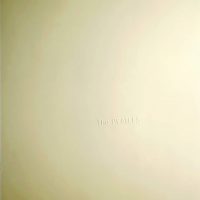
After all that, we get this 2-LP Thanksgiving gift from the Beatles. And it seems strange, even before playing a single note on the record. Let’s start with the cover. Blank as can be. After all the detail of the previous 3 LP covers (Revolver, Pepper & MMT), this seems odd. Then you open it up and read the titles, and a bit of unease creeps in (maybe “unease” isn’t the right word, more like bewilderment). “Back In The USSR”? What is this? Back then, the USSR was the free world’s arch enemy, with the Cold War at its peak. Why would our fabs be singing about them? “Happiness Is A Warm Gun”? Sounds a little violent. “Piggies”? Given the young people’s vernacular of the day, that sounds somewhat anti-establishment. Even though we already had “Revolution” on their current single (which was the loudest, raunchiest song we’d heard from them up to this point), here’s 2 more cuts with “Revolution” in the title. Just these few song titles make things sound a little subversive.
Now the album itself. There’s some wonderful songs on here, but not all of them, and one of them isn’t even a song at all (yes,yes, I know that the genesis of “Revolution 9” was born out of the tapings for “Revolution 1”). The album sounds scattershot, schizophrenic, disjointed, uneven. Not like a group effort at all. Even the pre-‘67 compilation LP’s that Capitol put out sounded more cohesive. Great songs right next to some that seem third-rate. Here we have Paul McCartney, who in the previous 2 years had written (or co-written) songs that were even then cornerstones of modern popular music, and here he’s reduced to doing schlock like “Why Don’t We Do It In The Road” and “Wild Honey Pie”? Are you kidding me? What is happening here? “Happiness Is A Warm Gun” is made up of 3 unfinished song fragments, but they don’t gel together anywhere near as good as the fragments from “A Day In The Life” did.
“Revolution 9” is a sound collage, and what is it even doing here? “Revolution 1” sounds like John’s half-sleepwalking through it, especially after hearing the single version first. At least the single version has the sound and attitude of a revolution… loud, nasty and “in your face”. I remember seeing the film clip on the Smothers Brothers TV show.
The single cut during the sessions, “Hey Jude” was 7:11 long, by far the longest single I’d ever heard up to that point (can’t remember if “MacArthur’s Park” was out yet or not). The only one close was “Like A Rolling Stone”, which was 6:00 even.
We knew things had changed, but we didn’t know how much. All we knew was that John was sporting a new look, and had ditched his family for this weird Japanese woman that nobody understood or liked (sorry, no revisionist history here, folks!). The public at large wasn’t aware of all the problems they’d been having. We didn’t know that Apple was already a mess, even at this early stage. Didn’t know that Ringo had quit during the sessions, along with engineer Geoff Emerick. Didn’t know that George Martin took an extended break away, leaving an assistant to handle things. Didn’t know about all the sniping and strains in relationships. Everything was kept under wraps, except in John’s case (witness “Two Virgins” and the drug bust). We just knew that things had changed, and weren’t sure whether we liked it or not.
Fast forward to a year or so later, when the connection between this LP and the Manson murders became known. Because of that, this LP left some people uncomfortable and it became many fans’ least favorite Beatles album, albeit unfairly.
Like I mentioned earlier, this is not how I feel about this album now, but how many of us American fans felt about it then. I’m sure that fans from other countries (but from the same generation) may not feel the same.
The age old question of making TWA 1 disc or 2. The way I look at it, the “odd” songs, for lack of a better word, maybe weaker songs is more correct, are what make the album, IMO. I love all of the songs. I have listened to this album almost start to finish many times, and when I hear a song on the radio, I automatically am waiting for the next song to play.
The circumstances of recording it, the year, where the Beatles were after all the success plays into it. Most, if not all of our favorite bands or artists change as they progress musically. This happens every time. The tunes that hooked you initially to whatever band get to be old hat and boring to them. They want to grow, reach, experiment, etc. They do it because they can, and I am ok with that.
What if one day, all the music feeds in the world, whether it is digital, over the air, etc. decided not to play some of the songs some people consider filler ever again, I think that is a great loss. I enjoy those songs and am happier that they are played still. When they come up now and then, it’s a treat for me.
TWA is what it is, and I wouldn’t change a thing. As if we didn’t need it, it keeps us talking about the Best Band Ever still, 55 years later! 🙂
When I narrow it down to a single disk, the White Album is one of my favorites. However, there are many tracks that I’m really not fond of, for sure.
I chose twelve songs for my version, making sure they would fit on a typical album of the era. It clocks in at forty-one minutes, perfect. I also kept the running order intact. When I finished, I realized that I had chosen three songs from each side. This was completely intentional. Lo and behold, here it is…the definitive single disk version!
Back In The USSR, Dear Prudence, While My Guitar Gently Weeps, Martha My Dear, Blackbird, Julia
Yer Blues, Mother Nature’s Son, Helter Skelter, Revolution 1, Savoy Truffle, Good Night
While I don’t like “every” song on it, I still think it’s their best album. I’m glad it’s a double album, and I’m glad that it wasn’t called “A Doll’s House” with that insipid illustration.
Between February and April 1969 three versions of “Ob La Di Ob La Da'” graced the New Zealand Top 20 pop charts. The first, by “The Marmalade” made the number one spot first, followed closely by the Beatles version which reached the top spot. Meanwhile a band called “The Chris Shakespeare Globe Show” crept in at the bottom of the chart for a one week stay.
The commercial heft of this song is in complete contrast to the Avantgarde “Revolution 9”. The breadth of the musical smorgasboard on offer here is astounding. There’s something for everyone to enjoy.
I especially enjoyed the poster included that adorned my bedroom wall. The semi blurred photo of George, (who I was fortunate enough to meet in 1993) in the top right hand corner was a firm favourite. Ringo’s yellow ruffled shirt remains an eye catching wardrobe choice. I notice on his brand new “Long Long Road” album cover he can be seen wearing his original purple version of the very same shirt.
For anyone who believes there’s a “DUD” song in amongst this collection, please state your case.
Beatles for ever.